
The Biggest Misconception About YTTs
In this blog post, we’ll be exploring the most common misconception about yoga teacher training courses. Our aim is to answer the questions we hear most often and, hopefully, clear up any doubts you may have if you’ve been thinking about signing up.
One of the biggest myths we encounter is:
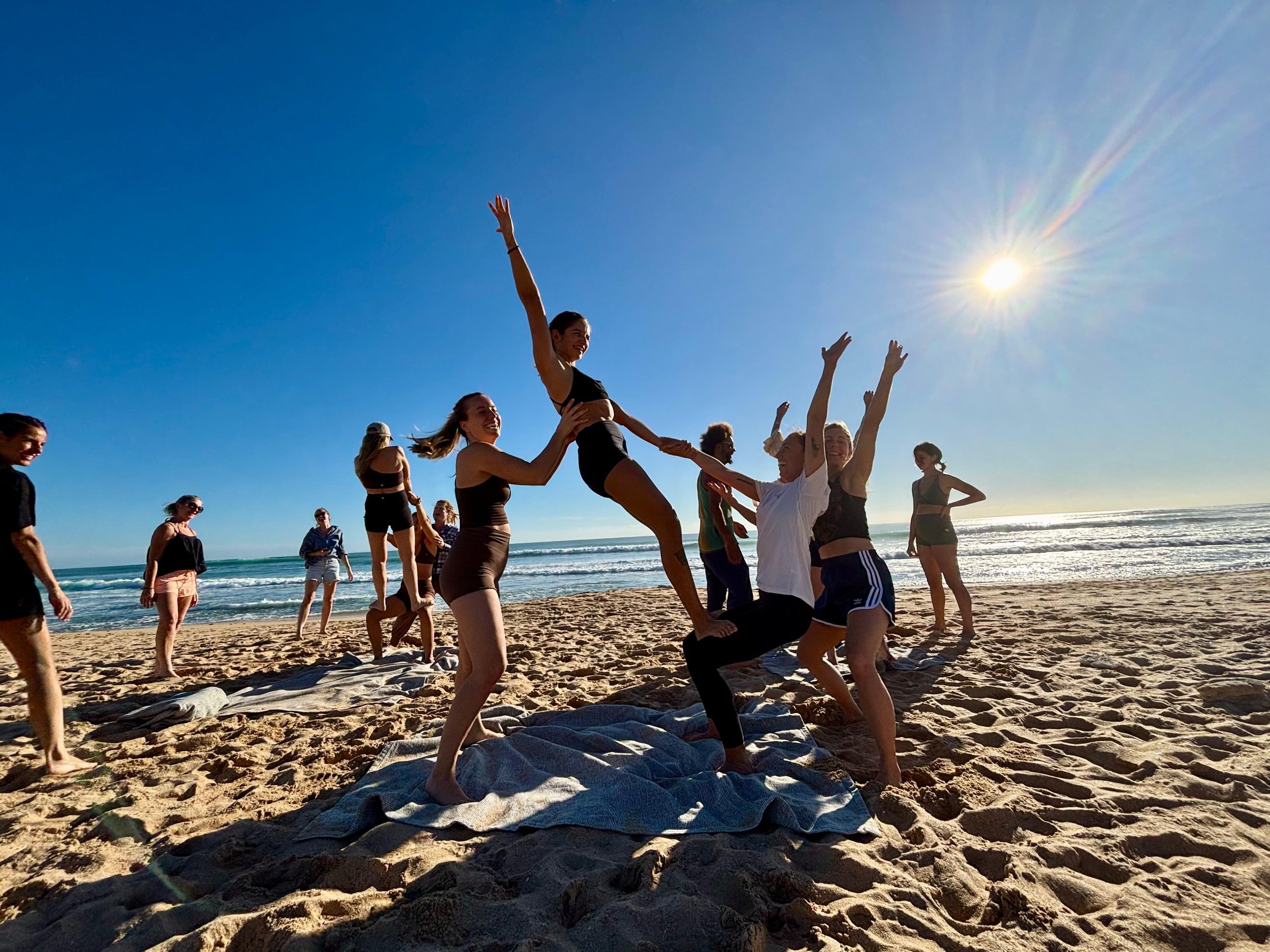
“I need to be flexible and have an advanced practice before I can join a yoga teacher training.”
This is perhaps the most common reason people hesitate to apply.
Many aspiring students assume they need to be able to do headstands, backbends, arm balances, or effortlessly touch their toes before they are “good enough” to attend a training. The truth is much simpler:
You do not need to be flexible or physically advanced to become a great yoga teacher.
In fact, some of the most inspiring and effective teachers are not the ones performing the most complicated postures.
Practising Yoga and Teaching Yoga Are Two Different Skills
Being able to perform a skill and being able to teach that skill are not the same thing.
This is true in every discipline. A world class athlete is not automatically a great coach. A talented musician may not know how to explain their technique to beginners. A brilliant mathematician may struggle to help others understand basic concepts.
Teaching requires qualities such as clear communication, patience, empathy, observation, adaptability, and the ability to inspire confidence.
A yoga teacher’s job is not to impress students with advanced poses. It is to create a safe, supportive environment where students can explore the practice and grow at their own pace.
Struggle Can Make You a Better Teacher
Some people are naturally flexible. Others have body structures that make certain poses more accessible.
That may look impressive, but it doesn’t necessarily make teaching easier. Often, the people who have had to work patiently and consistently to improve their mobility develop a much deeper understanding of common limitations, physical and mental obstacles, effective modifications, and how progress unfolds over time.
When you have personally experienced frustration, breakthroughs, and setbacks, you are far better equipped to guide others through the same journey. Your challenges can become one of your greatest teaching strengths.

Students Want Authenticity, Not Perfection
Many people worry that students will expect their teacher to be flawless. In reality, students are rarely looking for perfection. They care far more about whether their teacher is relatable, knowledgeable, supportive, genuine, and compassionate. Think about your favourite teachers. Were they perfect? Or were they human? Chances are, the teachers who made the biggest impact were the ones who taught with honesty and humility, shared their own experiences and created an environment where you felt comfortable and encouraged. Students connect with authenticity far more than with physical prowess.
Yoga Is Much More Than Asana
When people talk about having an “advanced practice,” they are usually referring to asana, the physical postures. While asana is an important part of yoga, it is only one aspect of a much broader and richer tradition. A comprehensive yoga teacher training also explores pranayama (breathwork), meditation, yoga philosophy, anatomy teaching methodology and the art of holding space.Some students arrive with years of experience in meditation or breathwork but only a modest physical practice. Others may have a strong philosophical interest in yoga. These students often become exceptionally well rounded teachers. Yoga teacher training is designed to develop your understanding across all of these areas, not just your ability to perform postures.
Every Body Is Different
Flexibility is influenced by many factors, including genetics, bone structure, connective tissue, age, previous injuries, and lifestyle. Some people may never comfortably achieve certain poses, regardless of how much they practise…
And that is perfectly fine!
Yoga is not about forcing the body into idealised shapes. It is about cultivating awareness, presence and a deeper relationship with yourself. A meaningful practice is not measured by how a pose looks.
The Best Teachers Meet Students Where They Are
Most yoga students are not aspiring acrobats. They come to yoga to reduce stress, build strength and mobility, improve mental clarity, recover from injury and feel better in their bodies. The teachers who serve them best are those who understand how to offer options, adapt practices and make students feel welcome. This has very little to do with being able to do a handstand.
You do not need to have all the answers, the perfect practice or complete confidence before you begin. Many students join because they want to deepen their personal practice, build confidence, understand yoga more fully and learn how to teach safely and effectively. The purpose of the training is to help you grow.
Advanced Yoga Is About Awareness
The most advanced aspect of yoga is not the posture itself. It is the quality of attention you bring to your practice.
Can you stay present with discomfort? Can you breathe steadily? Can you observe your thoughts without judgement? Can you meet yourself with patience and compassion?
These qualities are at the heart of yoga and they have nothing to do with whether you can put your leg behind your head.
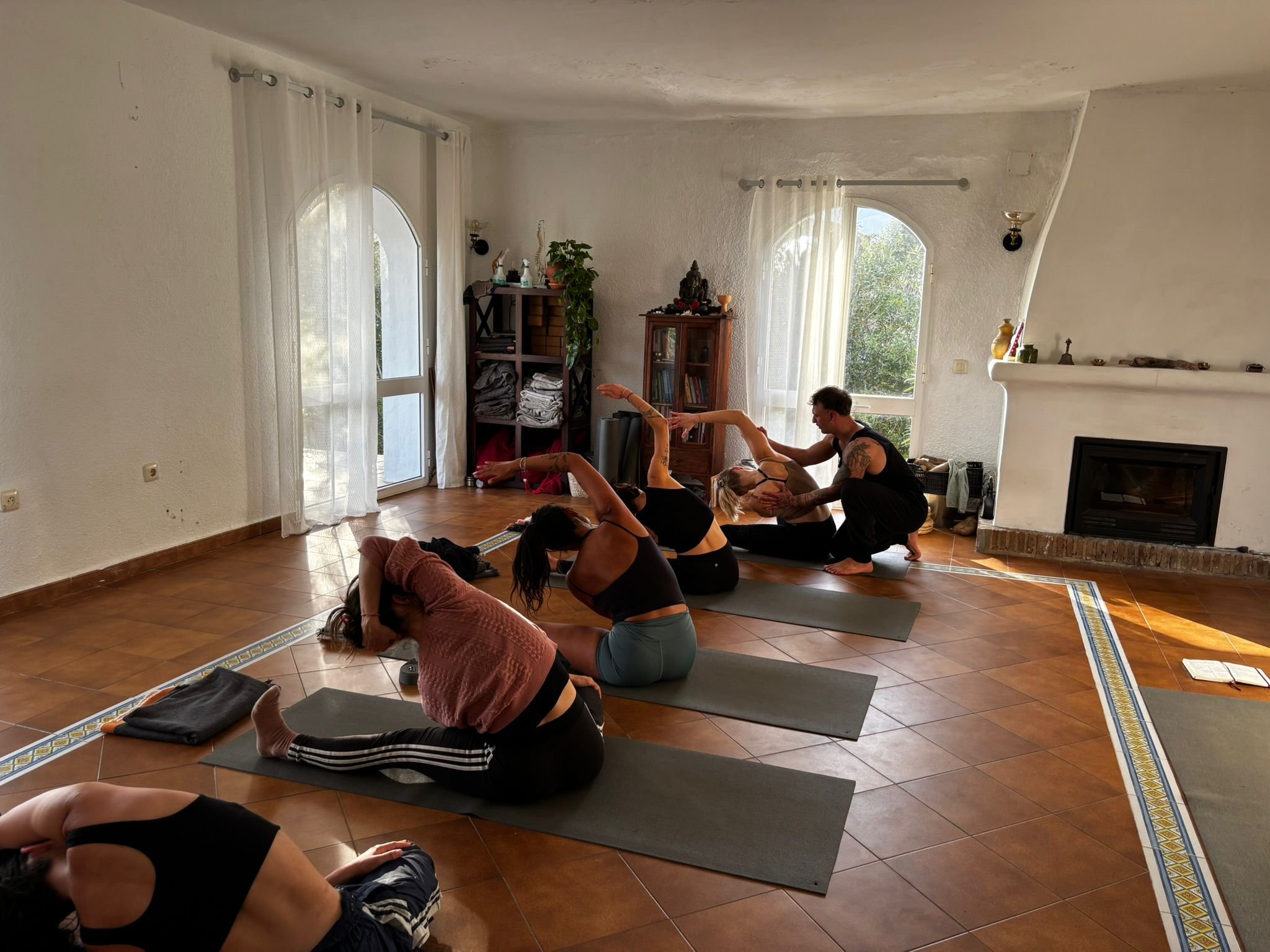
There is no requirement to be naturally flexible or physically “advanced” to attend a yoga teacher training.
What matters far more is curiosity, commitment, an open mind, a willingness to learn and a genuine desire to share yoga with others.
Complex postures can be inspiring and developing strength and mobility is certainly rewarding. But the real magic of yoga lies in the journey, not the final shape.
Whether you are looking for a yoga teacher training in Spain or simply the right yoga training in Europe for you, don’t let flexibility hold you back.
The most important qualification is simply the willingness to begin.